
 See Our Latest Article on HelloNation

Can chiropractic adjustments reduce PMS symptoms?
For some people in North Greenbush, NY, chiropractic care may help relieve muscle tension or back discomfort that becomes more noticeable before menstruation. However, current evidence does not show that spinal adjustments reliably treat the underlying hormonal changes that cause premenstrual syndrome, or PMS.
PMS can include breast tenderness, bloating, headaches, fatigue, irritability, low mood, food cravings, abdominal cramping, and lower-back pain. These symptoms usually appear during the one to two weeks before a period and improve after menstruation begins.
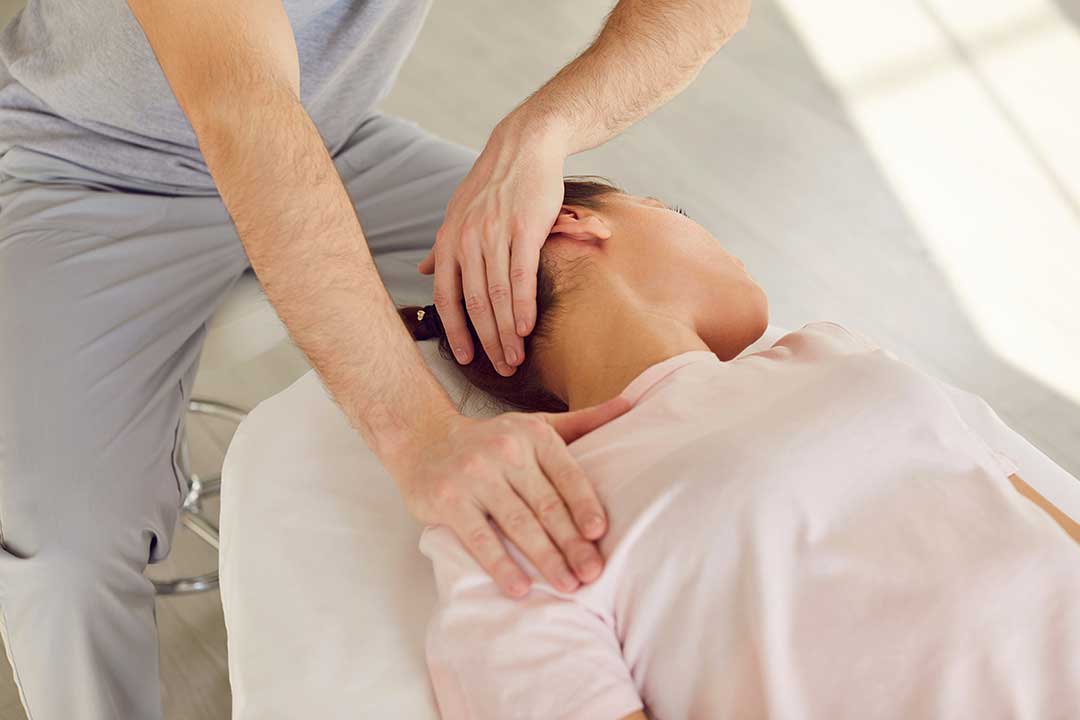
A chiropractic adjustment is a form of spinal manipulation. It may involve a controlled movement of a spinal joint, while other visits may use gentler mobilization, soft-tissue techniques, stretching, or exercise guidance. These approaches are primarily used for musculoskeletal problems such as back or neck pain—not for changing ovarian hormone levels or treating the menstrual cycle itself. ([nccih.nih.gov](https://www.nccih.nih.gov/health/spinal-manipulation-what-you-need-to-know?utm_source=openai))
What does the research say?
The research on chiropractic care specifically for PMS is limited and mixed. One small randomized trial involving 25 participants reported reduced PMS symptom scores after a combination of spinal manipulation and soft-tissue treatment. The researchers also noted limitations, including uncertainty about how much of the improvement came from placebo effects or other factors. ([pubmed.ncbi.nlm.nih.gov](https://pubmed.ncbi.nlm.nih.gov/10626701/?utm_source=openai))
A broader review of complementary treatments for PMS found only one chiropractic trial among the studies it evaluated and concluded that the overall evidence was not compelling. ([pubmed.ncbi.nlm.nih.gov](https://pubmed.ncbi.nlm.nih.gov/11483933/?utm_source=openai))
More recent evidence reviews have also found little or no clear benefit from spinal manipulation for non-musculoskeletal conditions, including menstrual disorders. The National Center for Complementary and Integrative Health reports that only a small number of good-quality studies have examined spinal manipulation for conditions outside the muscles and joints, and those studies have not shown a consistent benefit. ([nccih.nih.gov](https://www.nccih.nih.gov/health/spinal-manipulation-what-you-need-to-know?utm_source=openai))
The practical interpretation is:
- Adjustments may help if PMS is accompanied by mechanical low-back pain, pelvic-area muscle tension, or stiffness.
- They should not be presented as a proven treatment for bloating, breast tenderness, mood changes, or hormonal symptoms.
- Any improvement may result from reduced muscle tension, movement, relaxation, natural symptom variation, or a combination of factors.
Which PMS symptoms might be affected?
Chiropractic care is most plausible for symptoms involving the muscles and joints. For example, a person may experience lower-back aching before menstruation because of changes in activity, sleep, posture, abdominal muscle tension, or sensitivity to pain. Gentle manual care, movement, and exercise may make that discomfort easier to manage.
This is different from saying that an adjustment treats PMS as a whole. There is no strong evidence that manipulating the spine corrects hormone fluctuations, prevents fluid retention, or directly resolves depression, anxiety, or severe irritability associated with the menstrual cycle.
Some residents may notice more stiffness during colder months, especially if they spend long periods indoors, drive frequently, shovel snow, or reduce regular exercise. Those factors can aggravate back discomfort at the same time PMS symptoms appear, making it difficult to identify the true source of pain. Keeping a symptom diary for at least two menstrual cycles can help separate recurring PMS symptoms from a back problem, an activity-related strain, or another health condition.
How should chiropractic care fit into PMS management?
For mild PMS, basic measures often provide more established first-line support. Regular aerobic activity, adequate sleep, stress-management practices, and balanced eating patterns may reduce symptoms for some people. The American College of Obstetricians and Gynecologists notes that regular exercise may lessen fatigue and depression, while relaxation techniques such as breathing exercises, meditation, and yoga may also help. ([acog.org](https://www.acog.org/womens-health/faqs/Premenstrual-Syndrome?utm_source=openai))
Depending on the symptoms and medical history, treatment may also include:
- Heat applied to the lower abdomen or back
- Gentle walking, stretching, or other regular movement
- Nonsteroidal anti-inflammatory drugs, such as ibuprofen, for pain when medically appropriate
- Hormonal contraception for some physical symptoms
- Antidepressant medication for significant mood symptoms
- Cognitive behavioral therapy or other mental-health support when anxiety, depression, or irritability is prominent
Medication is not appropriate for everyone. NSAIDs can increase the risk of stomach bleeding or ulcers and may interact with other medicines or health conditions. A person with kidney disease, a history of ulcers, blood-thinning medication use, pregnancy, or other concerns should ask a medical clinician before using them. ([acog.org](https://www.acog.org/womens-health/faqs/Premenstrual-Syndrome?utm_source=openai))
Chiropractic care may be considered an optional approach for associated back or muscle discomfort, rather than a replacement for gynecologic or primary care. A clear explanation of the technique, expected benefits, alternatives, and possible side effects is reasonable before treatment.
Are chiropractic adjustments safe during PMS?
For most appropriately screened adults, spinal manipulation commonly causes temporary soreness, stiffness, or increased discomfort. These effects generally resolve within a day, although rare serious complications have been reported. Risk may be higher when a person has certain underlying conditions, recent injury, significant bone weakness, neurological symptoms, or other medical risk factors. ([nccih.nih.gov](https://www.nccih.nih.gov/health/spinal-manipulation-what-you-need-to-know?utm_source=openai))
A thorough health history matters. It is useful to disclose pregnancy or possible pregnancy, osteoporosis, recent surgery, blood-clotting problems, cancer history, numbness or weakness, unexplained weight loss, and all current medications.
Neck manipulation deserves particular caution because rare cervical artery injuries and strokes have been reported, although the overall risk is considered very low and the causal relationship remains debated. ([nccih.nih.gov](https://www.nccih.nih.gov/health/spinal-manipulation-what-you-need-to-know?utm_source=openai))
PMS alone is not a reason to avoid all manual care, but severe pain, unusual bleeding, fever, fainting, or a new neurological symptom should not be treated as routine PMS.
When might symptoms need medical evaluation?
Medical evaluation is appropriate when PMS symptoms interfere with work, school, relationships, sleep, or daily responsibilities. Severe mood symptoms may indicate premenstrual dysphoric disorder, or PMDD, which requires more targeted assessment and treatment.
Prompt care is warranted for:
- Sudden or severe pelvic or abdominal pain
- Very heavy bleeding, fainting, or marked weakness
- Fever, vomiting, or pain that does not follow the usual cycle
- New leg weakness, numbness, loss of bladder or bowel control, or severe back pain
- Suicidal thoughts, feelings of hopelessness, or inability to stay safe
Tracking the timing, severity, and type of symptoms can make that evaluation more useful. A diary can record pain, mood, sleep, bleeding, bowel symptoms, medications, activity, and whether symptoms improve once menstruation starts.
For residents managing seasonal routines, winter inactivity, prolonged sitting, and household tasks may contribute to back discomfort that overlaps with PMS. Treating that musculoskeletal component may be reasonable, but the broader menstrual symptoms still deserve evidence-based care when they are persistent or disruptive.
