See Our Latest Article on HelloNation

Preparing for a chiropractic appointment in North Greenbush, NY does not require special equipment or major changes to your routine. A few practical steps—wearing comfortable clothing, gathering health information, and thinking through your symptoms—can make the visit more organized and useful.
What should you do before a chiropractic appointment?
Before the visit, write down what you have been feeling, when it started, and what activities make it better or worse. Bring a list of medications, recent medical treatments, and any relevant imaging or test results if they are available.
Useful details include:
- The location of pain, stiffness, numbness, or weakness
- Whether symptoms began suddenly or gradually
- Any recent fall, collision, lifting incident, or sports injury
- Changes in walking, balance, sleep, or daily activity
- Previous treatment for the same concern
- Medical conditions that may affect care
Symptoms can be difficult to describe once an appointment begins. Brief notes on a phone or a piece of paper may help you remember important details.
What should you wear?
Loose, comfortable clothing is usually the most practical choice. Clothing should allow movement and make it easier to assess posture, walking, and range of motion.
Consider wearing:
- Stretchable pants or athletic clothing
- A comfortable shirt that allows the shoulders and upper back to move
- Supportive shoes that are easy to walk in
- Minimal bulky layers around the area being evaluated
Residents may arrive wearing heavier coats or multiple layers during cold-weather months. Those items may need to be removed during movement testing, so dressing in comfortable layers can make the process easier. Avoid clothing that restricts movement or makes it difficult to observe the back, neck, shoulders, hips, or legs when those areas are relevant.
What information should you bring?
Bring accurate health information, even if it seems unrelated to back or neck discomfort. A complete history helps identify factors that may affect examination or treatment.
Important information may include:
- A current medication and supplement list
- Known allergies
- Prior surgeries or hospitalizations
- Recent injuries
- Bone, joint, or neurological conditions
- Pregnancy or the possibility of pregnancy
- Blood-thinning medication
- A history of cancer, infection, osteoporosis, or inflammatory disease
- Recent imaging reports, if already completed
If another healthcare provider has given specific restrictions, those instructions should also be shared. Do not assume that a prior diagnosis explains every new symptom.
Should you eat or drink before the visit?
Most people do not need to fast before a routine chiropractic evaluation. A light meal and normal hydration are generally more comfortable than arriving overly hungry or dehydrated.
Avoid arriving immediately after a very large meal if lying down, turning, or moving may be part of the examination. At the same time, skipping food can leave some people lightheaded, especially after travel, work, or outdoor activity.
Water is usually sufficient. Excessive caffeine or alcohol before the visit may make it harder to assess symptoms accurately or may affect comfort during movement.
What happens during the first visit?
A first visit commonly includes a health history, discussion of symptoms, and a physical examination. The evaluation may involve observing posture and walking, checking joint movement, and assessing tenderness, strength, or sensation.
The exact process depends on the reason for the visit. Someone with gradual lower-back stiffness may be evaluated differently from someone recovering from a fall or experiencing arm numbness.
Questions may include:
- What were you doing when the symptoms began?
- Is the discomfort constant or intermittent?
- Does it travel into an arm or leg?
- What positions or activities affect it?
- Have you noticed weakness, tingling, or loss of sensation?
- Has the problem changed over time?
A clear answer is more useful than a perfect medical term. Describing the sensation as aching, burning, sharp, tight, pins-and-needles, or heavy can provide helpful context.
What questions should you ask?
Asking questions is part of preparing for safe, informed care. Before any hands-on treatment, make sure the recommended approach and its purpose are clear.
Reasonable questions include:
- What may be contributing to these symptoms?
- What will the examination involve?
- Is treatment appropriate based on the information available?
- Are there movements or activities to limit temporarily?
- What side effects or soreness might occur?
- How will progress be assessed?
- What symptoms would require medical evaluation instead?
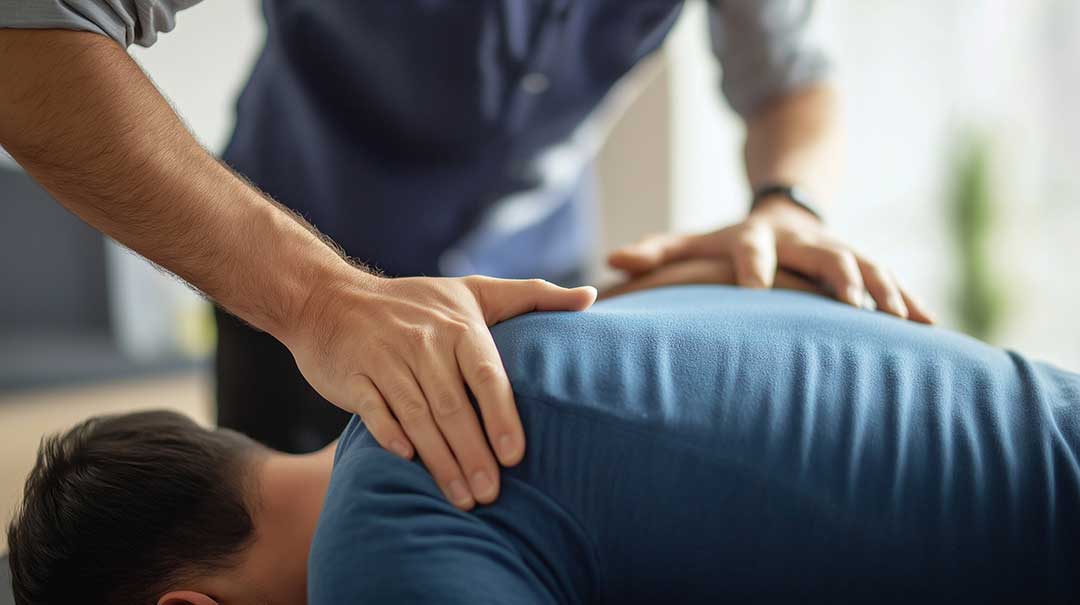
A person should be able to pause, ask for an explanation, or decline a technique. Consent should be specific and ongoing, particularly when treatment involves the neck, spine, or an area affected by an injury.
What should you avoid before the appointment?
There is no need to exaggerate symptoms, perform unfamiliar exercises, or deliberately provoke pain before being evaluated. Normal activity is usually more informative than trying to “test” the problem repeatedly.
Avoid:
- Taking a new medication solely to hide symptoms unless instructed by a qualified healthcare professional
- Applying extreme heat or cold immediately before the visit if it changes sensation significantly
- Arriving after strenuous activity that causes unusual fatigue or dehydration
- Withholding information about an injury, medication, or medical condition
- Assuming that pain is harmless because it resembles a previous episode
If a symptom changes rapidly before the appointment, update the provider rather than relying on the original description.
When should chiropractic care be postponed or replaced with urgent medical evaluation?
Some symptoms require medical assessment before routine musculoskeletal care. Seek prompt medical attention for severe or rapidly worsening pain, major trauma, new loss of bladder or bowel control, numbness in the groin area, or significant weakness.
Urgent evaluation may also be appropriate for back or neck symptoms accompanied by:
- Fever or signs of infection
- Unexplained weight loss
- Chest pain or shortness of breath
- Fainting or severe dizziness
- New confusion
- Loss of balance
- Sudden severe headache
- Progressive numbness or weakness
People with osteoporosis, a history of cancer, recent surgery, serious infection, or other complex medical conditions should share that history before treatment is considered. In these situations, the safest next step may involve coordination with a medical provider.
How can local routines affect preparation?
Daily routines in the community can shape how symptoms develop and how comfortable a person feels during a visit. Winter driving, snow removal, home maintenance, commuting, desk work, and long periods spent sitting can all provide useful context.
It may help to note whether symptoms are connected with:
- Shoveling, lifting, or carrying
- Slippery outdoor conditions
- Long drives or extended sitting
- Working at a computer or from home
- Gardening, home projects, or recreational activity
- Sleeping differently because of seasonal discomfort
These details do not prove the cause of pain, but they can help explain when symptoms appear and which movements are difficult.
What should you do after the appointment?
Follow the instructions provided and pay attention to how symptoms respond over the next day or two. Mild, temporary soreness can occur after unfamiliar movement or hands-on care, but severe, increasing, or unusual symptoms should be reported promptly.
Keep a simple record of changes such as improved movement, persistent pain, new tingling, or difficulty with regular activities. This information can help guide future decisions and can also show when a different type of medical evaluation may be needed.
Preparation is mainly about accurate information, comfortable movement, and clear communication. Arriving ready to describe the problem honestly gives the examination a stronger starting point and helps keep care focused on safety and practical goals.