
 See Our Latest Article on HelloNation
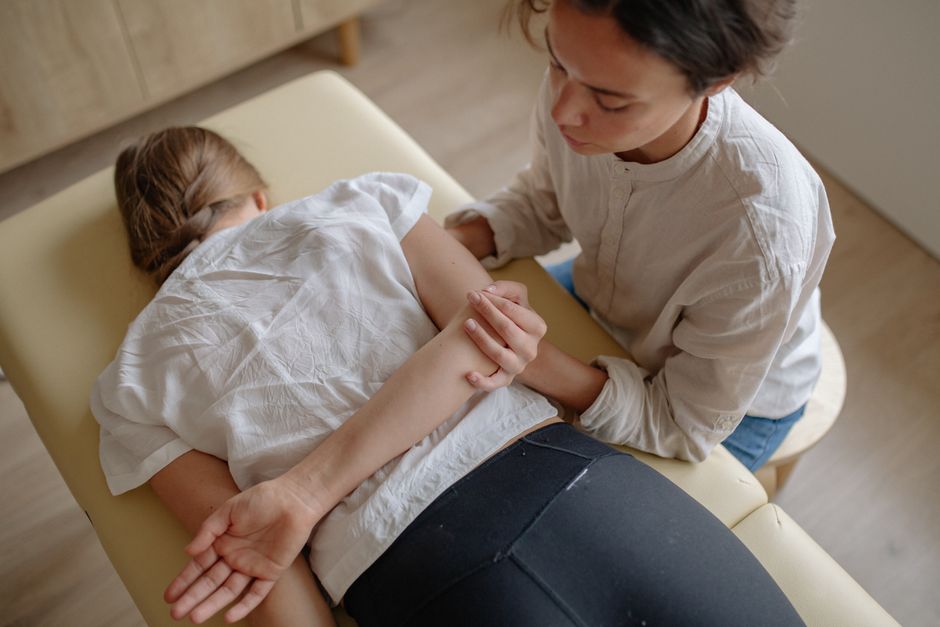
What is the main difference?
Chiropractic care generally focuses on the relationship between the spine, joints, movement, and nervous system. Massage therapy focuses primarily on muscles, fascia, circulation, relaxation, and soft-tissue comfort.
The two approaches may overlap, but they are not interchangeable. A person with restricted joint movement may seek chiropractic evaluation, while someone with tight muscles after gardening, exercise, desk work, or seasonal household tasks may find massage therapy more directly suited to the problem.
Neither approach is automatically better. The more appropriate option depends on the source of discomfort, the symptoms involved, health history, and the goals of care.
What does chiropractic care typically involve?
Chiropractic care often includes an assessment of posture, joint motion, muscle tension, movement patterns, and areas of pain. Treatment may involve spinal or joint manipulation, mobilization, stretching, soft-tissue techniques, and exercises intended to support movement and function.
Spinal manipulation uses a controlled force directed at a joint. It may produce a brief popping sound, but the sound itself is not the goal of treatment. Some chiropractic visits do not include manipulation at all.
A chiropractic approach may be considered for concerns such as:
- Low-back pain
- Certain types of neck pain
- Stiffness after prolonged sitting or repetitive activity
- Limited movement in a joint
- Musculoskeletal discomfort related to lifting, work, or recreation
The research on spinal manipulation suggests that it may provide modest short-term improvement for some people with low-back or neck pain. It is one option among several, rather than a universal solution.
A careful evaluation should also consider whether symptoms could be coming from something other than a routine muscle or joint problem.
What does massage therapy typically involve?
Massage therapy uses hands, fingers, forearms, elbows, or specialized tools to work on muscles and other soft tissues. Techniques may range from gentle, relaxing strokes to more focused pressure around areas of tightness.
Massage may help some people with:
- Muscle soreness after activity
- Tension related to stress
- Temporary stiffness
- Repetitive-use discomfort
- Chronic low-back pain
- General relaxation and body awareness
Massage does not usually attempt to reposition a spinal joint or diagnose a nervous-system disorder. Its effects may include reduced muscle tension, improved comfort, and a temporary sense of easier movement.
Pressure should not be so intense that it causes sharp pain, numbness, dizziness, or lingering symptoms. Deeper pressure is not automatically more effective, and soreness afterward is not proof that treatment worked better.
How do the goals differ?
The clearest distinction is the treatment goal.
Chiropractic care often emphasizes:
- Joint movement and mechanical function
- Spinal and musculoskeletal assessment
- Movement-related pain
- Mobility and coordination
- Exercises or changes intended to support daily activity
Massage therapy often emphasizes:
- Muscle and soft-tissue tension
- Relaxation
- Temporary relief of soreness
- Stress-related physical discomfort
- Awareness of how tension is held in the body
These categories are not absolute. Chiropractors may use massage-like soft-tissue methods, and massage therapists may work around joints and movement restrictions. The difference is usually the overall clinical focus and the type of assessment used.
Which option may fit common situations?
A person whose main complaint is a tight upper back after computer work may benefit from either approach. Massage may be a reasonable fit when muscle tension and relaxation are the primary goals. Chiropractic assessment may be more relevant if the discomfort is accompanied by restricted neck or upper-back movement.
For low-back pain, both approaches may be considered depending on the cause and duration. Gentle activity, exercise, education, and other conservative treatments are also commonly part of a broader plan.
For pain after shoveling, yard work, home maintenance, or moving heavy items, the first question is whether the issue appears to be ordinary muscle soreness or a more significant injury. Sudden severe pain, weakness, numbness, loss of coordination, or pain following a fall requires medical evaluation rather than relying only on hands-on treatment.
In North Greenbush, seasonal changes may influence these decisions. Winter snow and ice can increase lifting, bracing, and slipping hazards, while spring yard work and summer outdoor activity can create repetitive muscle strain. These patterns may produce symptoms that feel similar but have different causes.
Can chiropractic care and massage therapy be used together?
They can sometimes be used as complementary approaches, but combining treatments does not guarantee better results. The benefits depend on the underlying problem, the timing of each treatment, and whether the plan includes active steps such as walking, strengthening, mobility work, or changes to aggravating activities.
A person receiving care from more than one provider should make sure each provider knows about the other treatment. This is especially relevant when symptoms are changing, when medications are involved, or when treatment includes forceful techniques.
Passive treatment may provide temporary relief, but lasting improvement often depends on gradually restoring normal activity and addressing contributing factors such as lifting technique, sleep position, work setup, conditioning, or prolonged inactivity.
Are both treatments safe?
Massage therapy is generally considered low risk for healthy adults when performed appropriately, but temporary soreness, bruising, skin irritation, or increased discomfort can occur. Extra caution may be needed with blood-clotting disorders, certain medications, recent surgery, uncontrolled medical conditions, significant swelling, or fragile bones.
Chiropractic manipulation can also cause temporary soreness, stiffness, headache, or increased discomfort. Serious complications are rare, but forceful neck manipulation deserves particular caution because serious neurological or vascular problems have been reported. People should disclose major health conditions, recent injuries, medications, pregnancy, and previous surgery before treatment.
Hands-on care should not delay evaluation of warning signs such as:
- New or worsening weakness
- Numbness spreading into an arm or leg
- Loss of bladder or bowel control
- Fever with severe back or neck pain
- Unexplained weight loss
- Severe pain after a significant injury
- Chest pain, fainting, or difficulty breathing
- Sudden severe headache or neurological changes
These symptoms may indicate a condition requiring urgent medical attention.
How should someone decide?
Start by describing the symptom rather than choosing a treatment based only on the name of the service. Consider where the discomfort is located, how it began, what movements affect it, how long it has lasted, and whether there are neurological or whole-body symptoms.
Massage may be a better match when the primary concern is muscle tension, stress, or ordinary soreness. Chiropractic care may be more relevant when the main issue involves joint motion, spinal stiffness, or a musculoskeletal problem that needs a structured movement assessment.
The most useful care should include a clear explanation of what is being treated, what improvement is realistic, what side effects to watch for, and what to do if symptoms do not improve. A treatment plan should be adjusted or reconsidered when pain persists, worsens, or does not behave like a routine muscle or joint problem.
