
 See Our Latest Article on HelloNation
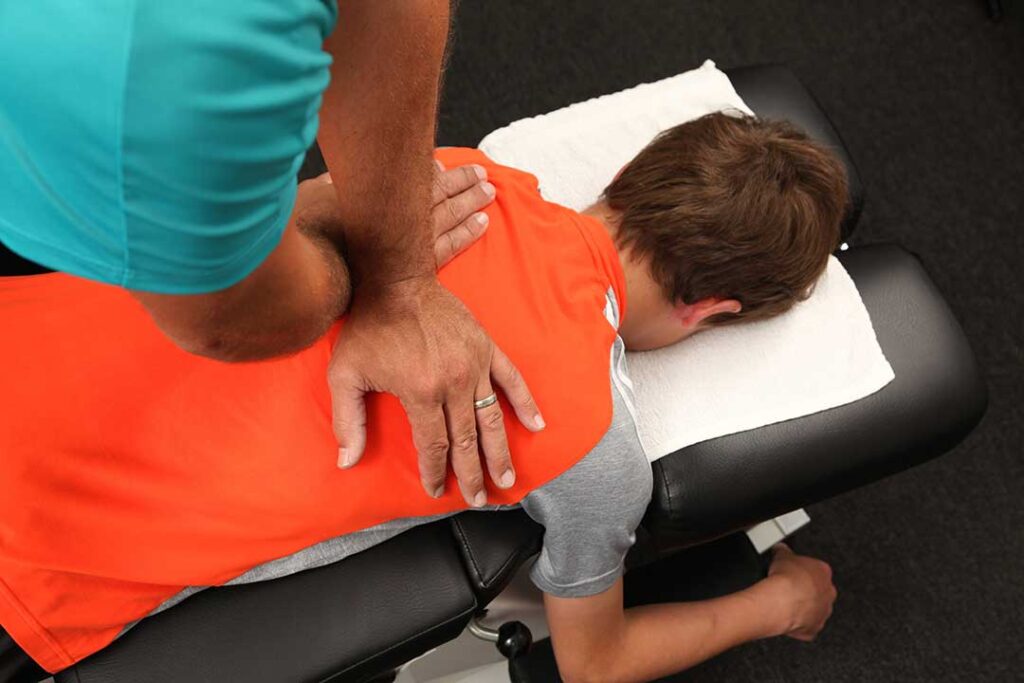
Living in North Greenbush, NY, many residents enjoy the beautiful outdoor spaces like the Town Park, participate in local recreational leagues, and take part in community events that often involve physical activity. With this active lifestyle can come aches, pains, and sometimes more serious issues like nerve compression. Understanding early warning signs of nerve compression is crucial to prevent long-term problems and maintain your everyday routine.
What Is Nerve Compression?
Nerve compression, commonly referred to as a "pinched nerve," occurs when surrounding tissues—such as bones, cartilage, muscles, or tendons—put pressure on a nerve. This pressure disrupts the nerve’s function, causing pain, numbness, or weakness. The condition can occur anywhere in the body but is especially common in the neck, back, wrists, and elbows.
Why Should North Greenbush Residents Be Concerned?
North Greenbush’s mix of office professionals, healthcare workers, teachers, and avid outdoor enthusiasts makes it important to watch for nerve issues. Whether you are spending hours gardening in your backyard, commuting into Albany for work, or enjoying a walk along the Wynantskill Creek, physical activity and repetitive motion increase your risk for nerve compression if you aren’t mindful of body mechanics.
Early Warning Signs of Nerve Compression
Catching nerve compression early makes treatment easier and more effective. Here are some warning signs local residents should watch out for:
- Tingling or Pins and Needles
Persistent tingling in your hands, feet, arms, or legs is an early warning sign. For example, if you notice a “pins and needles” feeling while typing at work or after playing a weekend softball game at the town fields, don’t ignore it.
- Numbness
Losing sensation in a specific area—even temporarily—can indicate that a nerve is being compressed. If numbness doesn’t fade quickly or starts happening more often, it’s a signal to seek medical advice.
- Localized Weakness
Experiencing sudden weakness, such as difficulty gripping your coffee mug from Stewart’s Shop or trouble lifting grocery bags at ShopRite, can point toward a pinched nerve affecting your motor skills.
- Sharp or Burning Pain
Pain that radiates from one area to another, especially if it feels sharp, shooting, or burning, is often linked to nerve issues. For instance, feeling pain that travels down your arm or leg after a day spent raking leaves could be a red flag.
- Muscle Cramping or Twitching
Unexplained muscle cramps or spasms, particularly if recurrent after certain movements or activities, may be your body’s way of reporting nerve impingement.
- Worsening Symptoms at Night
If symptoms like tingling, numbness, or pain get worse in the evening—especially after a long day on your feet or at your desk—this could be an early sign of nerve compression.
Local Triggers for Nerve Compression
North Greenbush’s four-season climate leads to unique local habits and risks. Snow shoveling in winter, biking in spring, yard work in summer, and leaf cleanup in fall can all predispose residents to repetitive strain injuries that may compress nerves. Additionally, many people work from home in makeshift offices, leading to poor ergonomics and posture-related compression.
When to See a Health Professional
Ignoring early warning signs often allows nerve compression to progress, possibly resulting in chronic pain, permanent numbness, or even muscle atrophy. Seek help if:
- Symptoms persist for more than a few days
- At-home measures like rest and over-the-counter pain relief don’t improve your condition
- Weakness or numbness worsens or spreads
- You have difficulty carrying out your daily activities
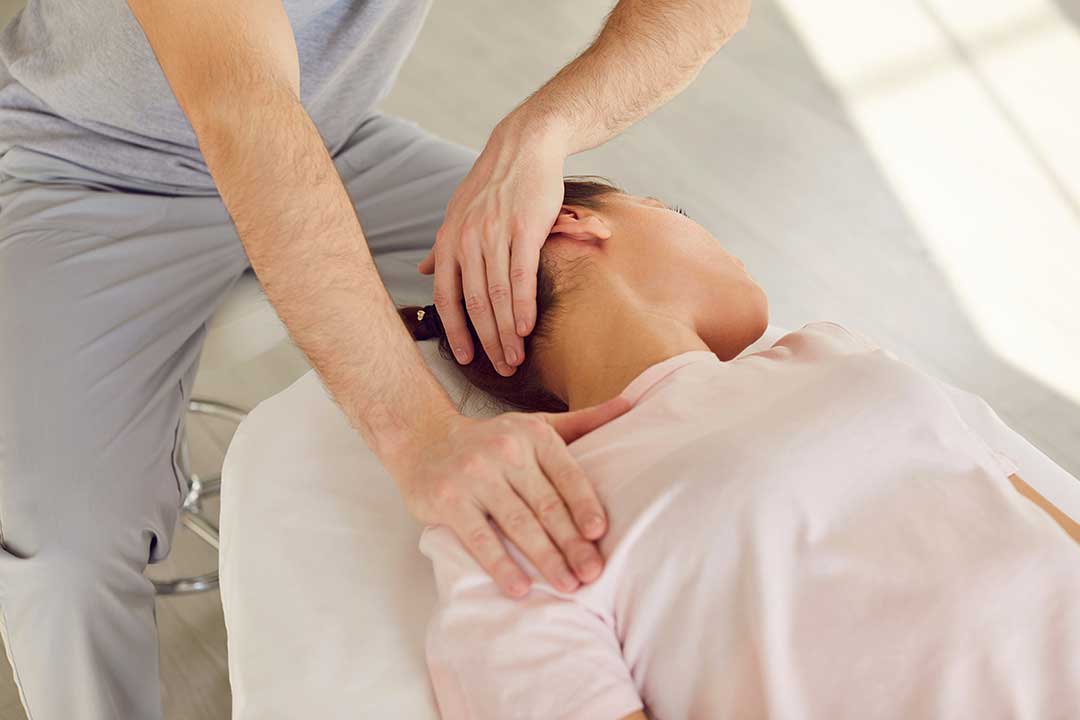
A chiropractor or medical professional can conduct a thorough evaluation, including asking about your local activities—such as gardening at home near Bloomingrove Drive or participating in pickleball at the community center—and design a treatment plan suited to your lifestyle.
How to Prevent Nerve Compression in North Greenbush
Prevention is always better than cure. Here are some locally relevant strategies:
- Practice Proper Lifting Techniques
Whether hauling firewood after a chilly North Greenbush evening or picking up your kids from soccer practice at Bell Top Elementary, always bend at your knees, not your waist.
- Stay Active, But Know Your Limits
Engage in regular exercise like walking local trails, but avoid overuse. Mix up activities to use different muscle groups.
- Set Up an Ergonomic Workstation
Many residents now work remotely; ensure your chair, desk, and computer are aligned to reduce strain on your neck and back.
- Take Breaks During Repetitive Tasks
Gardening, painting, and even long stretches of driving around Rensselaer County can stress nerves. Take short breaks to stretch and relax.
- Stay Hydrated and Maintain a Healthy Diet
Proper nutrition and hydration support healthy nerve function, making your nerves more resilient to mild compression.
Final Thoughts
North Greenbush residents lead active lifestyles in a charming and community-driven town. Staying alert to the early warning signs of nerve compression and acting quickly can make a major difference in your health, comfort, and ability to enjoy everything the area has to offer. Don’t wait until minor tingles become major problems—address symptoms as soon as they appear and keep enjoying all that North Greenbush has in store.
