
 See Our Latest Article on HelloNation
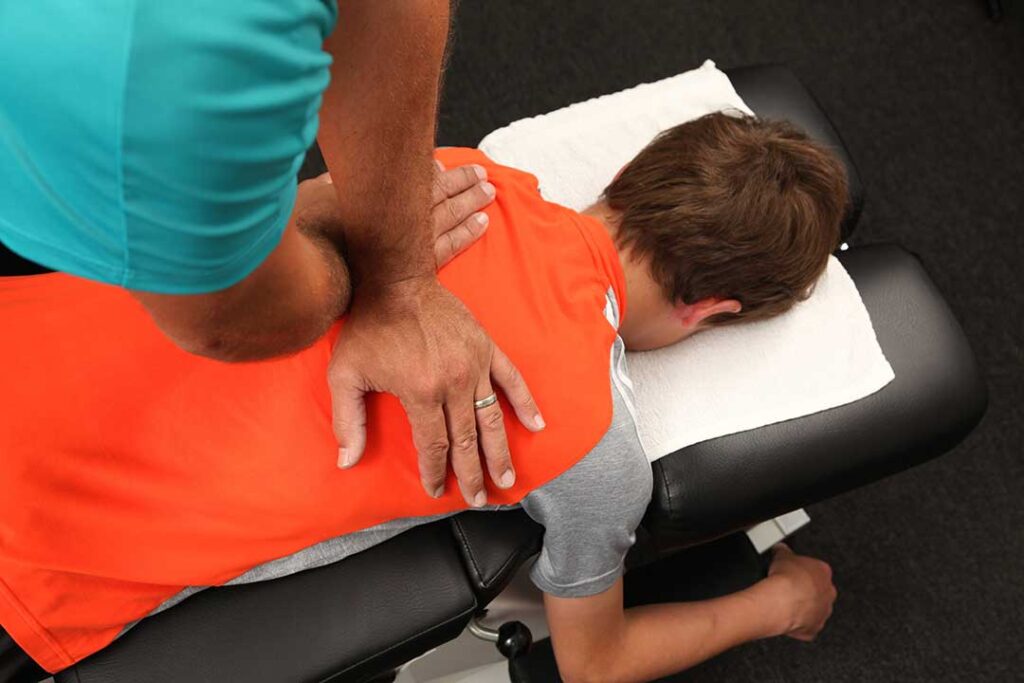
How Common Is Back Pain During Pregnancy?
Most pregnant individuals in North Greenbush experience some form of back discomfort, especially in the lower back. This occurs as pregnancy changes posture, body weight, and hormone levels. Local residents may notice this discomfort when standing for extended periods, shoveling winter snow, or running errands on North Greenbush’s hilly terrain.
Back pain during pregnancy is normal, but persistent or severe pain needs careful management. Many in the community ask how to safely find relief at home, particularly when common pain medications are restricted during pregnancy.
What Home Remedies Are Safe for Relieving Pregnancy Back Pain?
Applying simple, non-invasive strategies can reduce discomfort for many people. Most at-home steps focus on gentle movements and supporting posture:
- Heat Therapy: Use a warm (not hot) compress or a heating pad set to low. A warm shower can also soothe sore muscles, especially during chilly Northeast winters.
- Cold Therapy: Apply a cold pack wrapped in cloth in the first 24–48 hours after a new pain flare-up.
- Supportive Pillows: Sleeping with a pillow between the knees can cushion the hips and low back. Using a full-body or pregnancy pillow often helps, especially as the pregnancy progresses.
- Footwear Changes: Supportive, low-heeled shoes help maintain better posture across the uneven sidewalks and driveways common in North Greenbush neighborhoods.
- Safe Physical Activity: Gentle walking, stretching, or simple prenatal yoga routines keep muscles flexible without straining the back.
Even these mild approaches should always be discussed with a healthcare provider during any prenatal visit.
Does Posture Really Matter for Back Pain Relief?
Yes — adjusting posture can make a real difference. As pregnancy progresses, the growing belly shifts a person’s center of gravity and often leads to a swayback position.
In the city where homes and workplaces may require plenty of sitting and standing transitions, these posture tips can help:
- Keep shoulders relaxed and back.
- Stand up straight with both feet flat and shoulders aligned over hips.
- When lifting objects (like groceries or laundry), bend at the knees rather than the waist.
- Use a sturdy chair with a supportive back, especially during remote work or while reading at home.
Making these posture changes in daily routines helps reduce strain, especially during colder months when outdoor activity might decrease and sedentary habits take over.
Are Exercise and Movement Safe When Pregnant and Experiencing Back Pain?
Gentle exercise is generally safe and beneficial for most expectant parents with mild to moderate back pain. Movement keeps muscles active and can improve both mood and circulation.
Walking in local parks or around neighborhood loops, swimming at community pools (when available), or carefully following a prenatal stretching routine are all practical options. Activities should focus on flexibility and stability rather than intensity or endurance.
Residents should avoid any exercises that cause pain, or that require lying flat on the back after mid-pregnancy. For those unfamiliar with safe routines, reliable online prenatal exercise videos or written guides can help, but any new exercise plan should be cleared with a medical provider.
Can Chiropractic Techniques Safely Help Pregnant Residents?
Many people wonder about chiropractic techniques for back pain in pregnancy. Some gentle, pregnancy-appropriate adjustments and manual therapies may provide relief for certain types of discomfort associated with spinal alignment or pelvic position changes.
However, any hands-on care during pregnancy must avoid excessive pressure, unsafe positions (like lying flat on the stomach), or aggressive spinal manipulations. Residents should only consider chiropractic approaches that are specifically adapted for pregnancy and openly communicated about concerns or sensations during care.
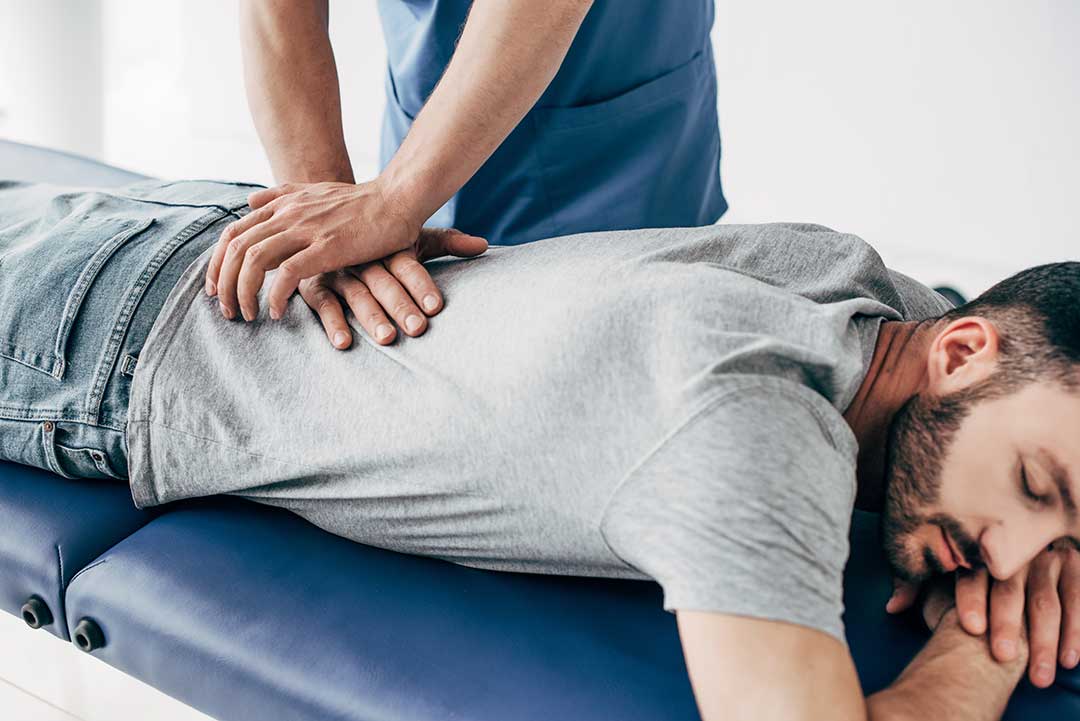
Some benefit from additional therapies like gentle massage, provided by practitioners trained in prenatal techniques, or basic supportive taping methods for the lower back.
What Should Be Avoided When Managing Back Pain in Pregnancy?
Certain remedies and common habits can be unsafe during pregnancy or may worsen discomfort. Local residents should be mindful about the following:
- Avoid nonsteroidal anti-inflammatory drugs (NSAIDs) unless explicitly approved by a prenatal care provider.
- Steer clear of deep heat rubs or electrical heating pads on a high setting, as overheating the lower back or abdomen may pose risks.
- Do not try any new herbal remedies or supplements for pain without a medical professional’s input.
- Avoid spending long periods in one position, whether sitting (such as during extended car rides on area highways) or standing.
- Refrain from self-manipulation or “cracking” the back. While this is sometimes done unconsciously, it may be harmful during pregnancy when ligaments are naturally softer.
When Should Someone Seek Medical Guidance for Pregnancy-Related Back Pain?
Mild to moderate discomfort is common, but certain symptoms require prompt medical attention:
- Severe, unrelenting pain that limits daily function
- Back pain accompanied by fever, weakness, loss of bladder or bowel control, or numbness/tingling down the legs
- Sudden onset of intense pain, particularly early or late in pregnancy
Any questions about safe exercises, manual therapies, or over-the-counter remedies should be discussed with a prenatal healthcare provider to ensure the best outcome for both parent and baby.
